Experimenting with Road mapping, Gap Analysis and Visioning for innovation, cross-regional collaboration and low-carbon economy
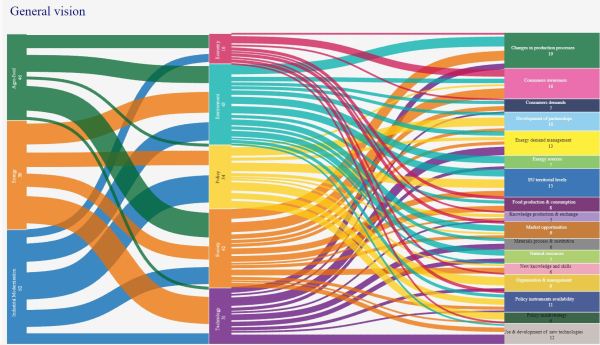
Science, policy and practice interfaces for enabling innovation & sustainability

Step-by-step short videos of tools from Visual Toolbox for System Innovation
Pentagonal problem
Actor Tree
Empathy map
Credential cards
Stakeholder map
Stakeholder Universe
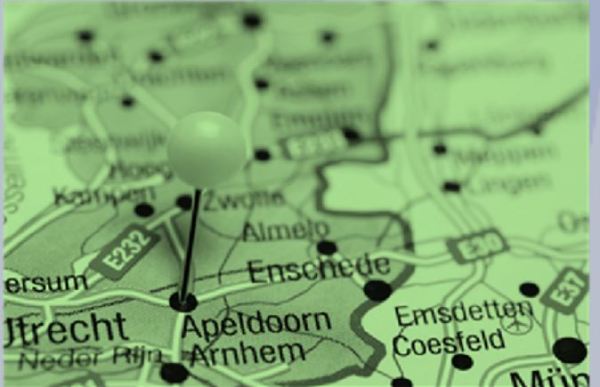
A multi-stakeholder process addressing the reformulation of the cleantech strategy of the City of Apeldoorn, The Netherlands (2016)


This study provides evidence of the policy learning process related to the translation and adaptation of a regional policy model to a new context while implementing a mayor process of transference of competences. Emphasis is put in the process of translation and adaptation of an external regional policy model (the EU RIS scheme) by looking at the different understandings of regional system of innovation through the analysis of regional assessments and proposals for regional innovation strategies designed by Chilean regions. By doing so, this study seeks to identify the critical elements related to capacity building at different level regarding the development of new institutional frameworks and coordination mechanism by considering the agency issues and different regional settings.
The case of Chilean regions is a concrete example from the few experience on adapting European policies in other context. It is also a relevant case regarding the re-configuring of multilevel governance system to support innovation in an emergent and globalized economy. Empirical study is base in document review and content analysis techniques as well as complementary interviews to policy officers. Results shows an increasing autonomy of the regional governments while main policy instruments and resources still keep under central coordination.

The pattern of specialization in the cities of the Transition Cities project is analysed by applying the Circos (Krzywinski et al., 2009) data graphics tool for structural studies. The exercise seeks to facilitate the analysis of specialization evidence from patterns in the data.
The working paper presents a new sociotechnical and systemic approach to urban specialization with a policy focus on challenge-led clusters. Specialization patterns are explored through urban sociotechnical systems where networks and organisations act as “transition arenas” in a policy shift to the meso regime level as a new focus of transformative innovation. It is an alternative to the traditional macro/micro split, more attuned to systemic rather than singular innovation. It offers a broader definition of innovation, highlighting social, organisational, and business model novelty.

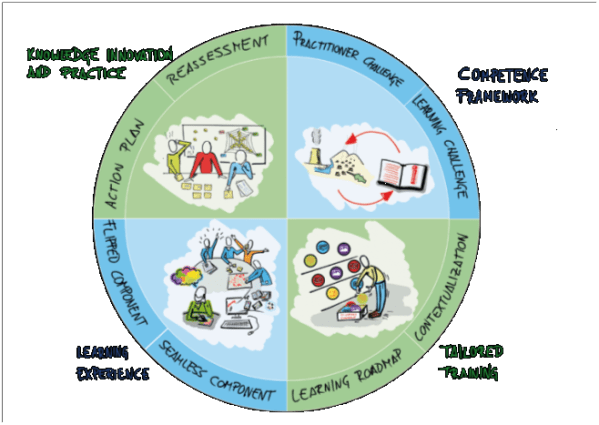
A learning approach for practitioners through active-blended format. Education Conference, Brighton (2016)


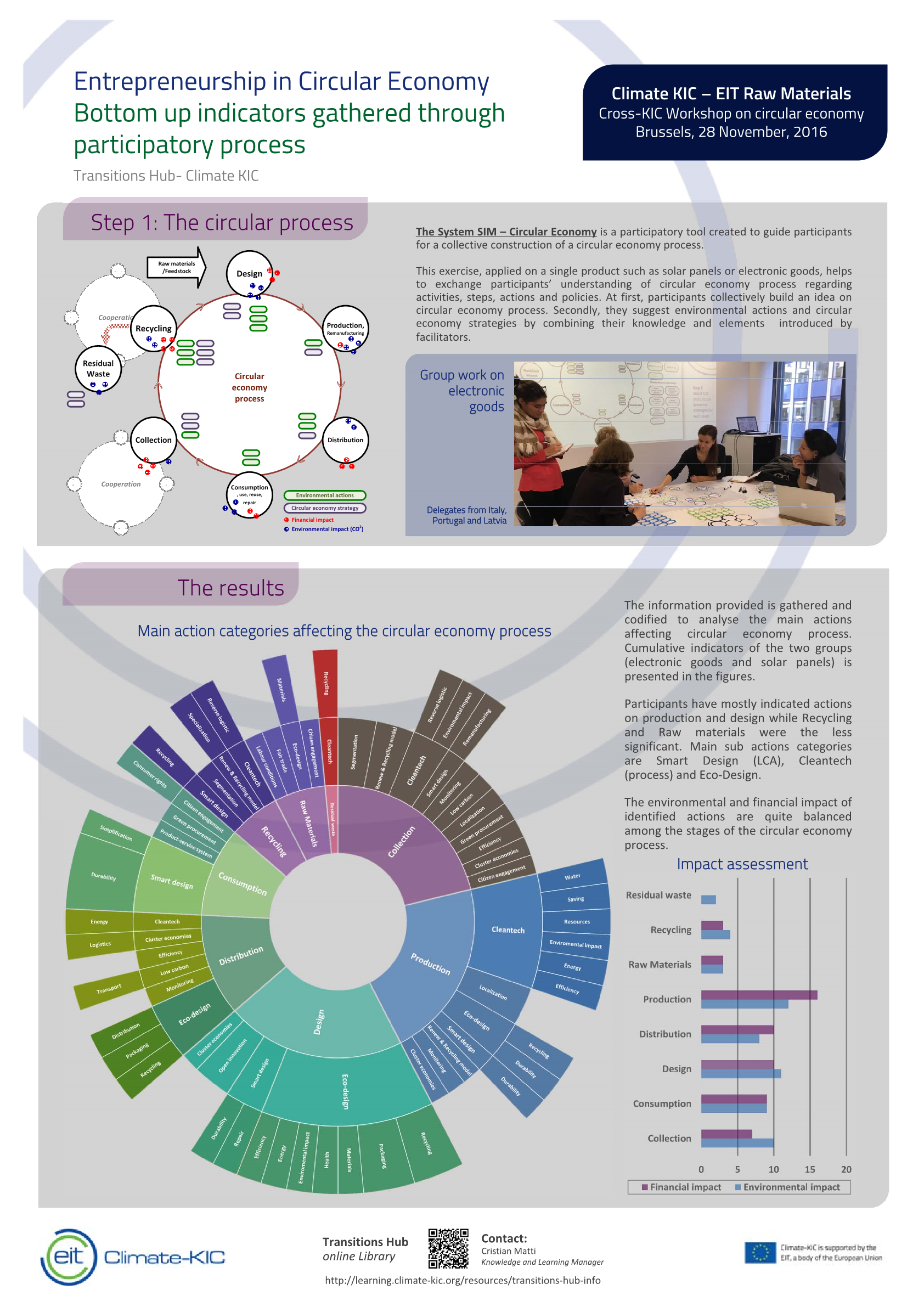
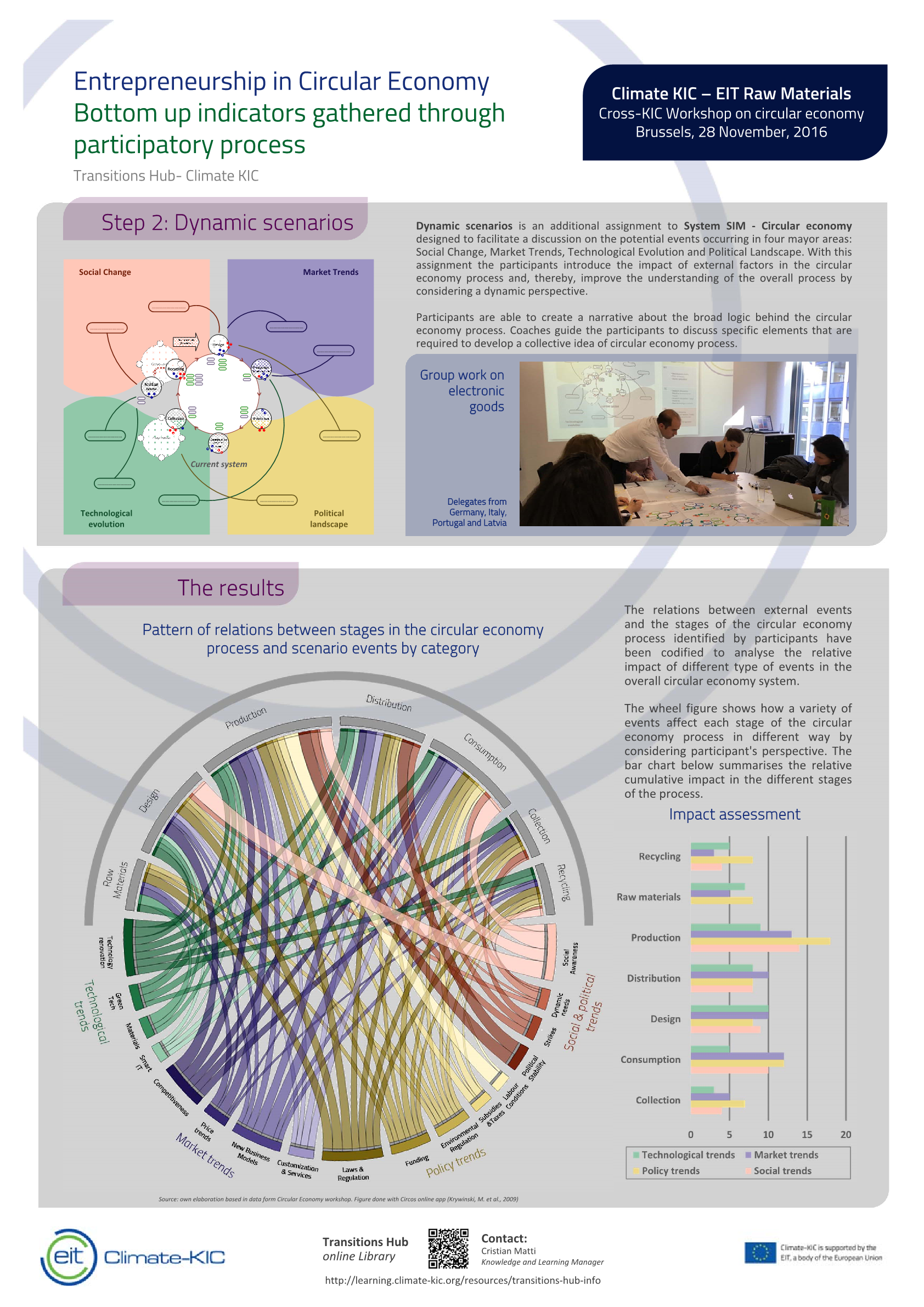
Harvesting insights through participatory process process, Brussels (2016)

This paper is the result of my travel to the policy studies. It is part a main part of my PhD research study and the PICK ME project but it also takes lessons learnt on governance and innovation policy during my research stays in Enschede and Manchester. The objective of this paper is to understand to what extent instruments designed at different levels of policy domains can be coordinated as part of an organic process. At the same time, it also tries to highlight some aspects of the story behind the emergence of the Spanish wind energy sector, a successful trajectory in terms of both energy and specialized technology production.
Davide and Elvira are my co-authors but also memorable fellows on this trip to policy studies.
The Visual toolbox for system innovation” is a booklet-format collection of ready-to-implement tools to structure and manage the challenges and exploit opportunities of sustainability innovations and transitions.
The tools are presented in a simple and visual approach to support practitioners’ everyday work on climate change, transition and system innovation.
| De Vicente Lopez, Javier and Matti, Cristian (2016). Visual toolbox for system innovation. A resource book for practitioners to map, analyse and facilitate sustainability transitions. Transition Hub Series. EIT Climate KIC, Brussels 2016. ISBN 978-2-9601874-1-0 |
Download the Visual toolbox

 CRISTIAN MATTI